
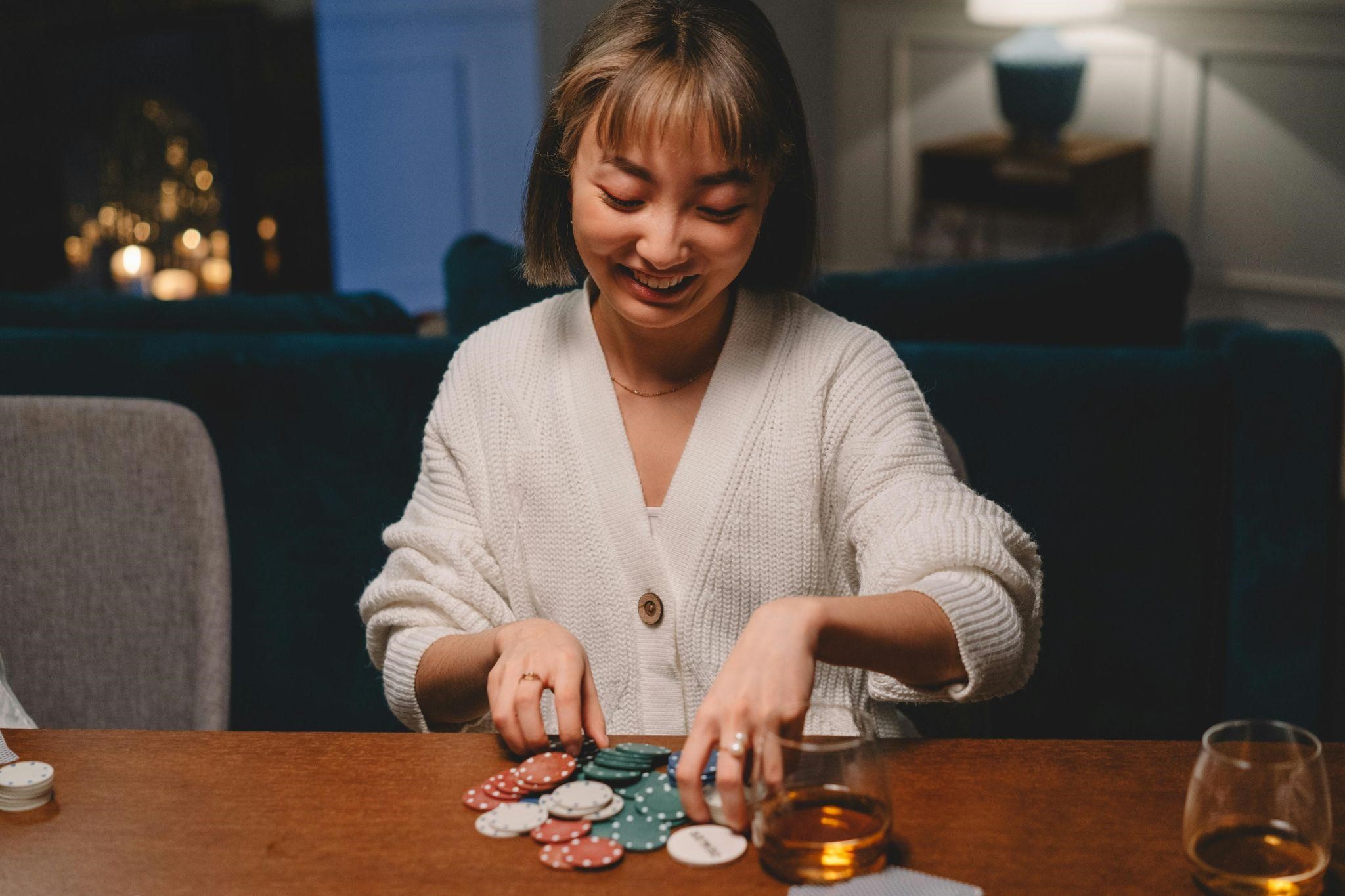
Most people say they gamble for fun. Few stop to explain what that fun looks like. Fun gambling feels light in the body and quiet in the mind. You can stop in the middle of a game without feeling tense. A loss feels annoying for a short time, then passes. A win feels nice, but it does not pull you back for more. When gambling stays fun, it fits into life the same way a movie or dinner out does. You pay for the time and the feeling. You do not expect anything back. The trouble begins when the meaning shifts and gambling starts to feel like a test, a plan, or a way to fix something else.
Set a spending line before emotions show up
Most damage happens because limits come too late. People try to decide when they are already excited, frustrated, or tired. That rarely works. Pick your spending line before you start. Choose a number that changes nothing about your week if it disappears. If losing that amount would affect rent, food, or sleep, it is too high. Many people learn over time that small limits feel calmer. You play with less tension. You enjoy the game more. The goal is not to push the limit. The goal is to forget about it.
Treat the money as spent, not lost
One simple shift helps more than complex rules. Once you sit down, think of the money as already spent. It is the cost of the activity. This removes the urge to fix losses. It also keeps wins from feeling like rescue money. People who struggle often treat losses as errors that need correcting. That thinking keeps them stuck. When the money feels spent, there is nothing to chase. You play or you stop, and either choice feels fine.
Time limits protect judgment
Money limits get most of the focus, but time limits matter just as much. Long sessions wear people down. After an hour or two, judgment slips. Small decisions start to feel heavy. Stopping feels harder than it should. Decide how long you will play before you begin. Stick to it even if things go well. Short sessions protect mood and energy. They also make it easier to walk away and not think about gambling later that night or the next day.
Know the edge without getting stuck on math
You do not need deep math to gamble safely. One idea is enough. Casino games are built to earn money over time. Sometimes players win. Often they do not. Over many sessions, the house does better. Ignoring this leads people to search for systems that promise steady wins. Those systems fail when luck turns. Accepting the edge keeps expectations grounded. You can enjoy the game without believing it owes you anything.
Keep gambling separate from money needs
Gambling breaks down when it mixes with money pressure. Paying bills, covering debt, or fixing a bad month through betting adds weight the activity cannot hold. Even casual use of online casino real money platforms can slide into this problem when gambling starts to feel like a backup income plan. Gambling works best when it stays separate from real finances. It should never feel like work. It should never feel necessary. The moment it does, the balance is already gone.
Treat wins as pauses, not proof
Big wins change memory. People remember one good night and forget months of small losses. When you win more than expected, pause. Step away. Cash out part or all of it. Let the moment cool. Wins do not mean you found a better method. They mean luck showed up for a while. Treating wins as proof pushes people to raise limits and stay longer than planned.
Pay attention to how stopping feels
Stopping tells you more than playing does. When you stop, notice what happens inside. Calm feels healthy. Mild disappointment fades fast. Strong anger or restlessness does not. If stopping feels hard, that matters. It does not mean you failed. It means the activity is pulling too much. Catching that feeling early gives you room to adjust before losses force a break.
Avoid gambling on hard emotional days
Gambling does not work well with strong feelings. Stress, boredom, anger, and loneliness make people stay longer and take bigger risks. These feelings lower self-control and make stopping harder. Gambling may distract you for a short time. After that, emotions often feel worse. Losses hurt more. Wins feel tense instead of relaxing. Save gambling for days when you feel calm and steady. On heavy days, choose something else. Take a walk. Call someone you trust. Move your body for a few minutes. These choices help more than a screen and a bet.
Keep gambling small in your life
Balance helps more than strict rules. When gambling stays small, it stays easier to manage. When it becomes the main source of fun, it starts to feel too important. Make room for other things that feel good. Spend time with friends. Focus on work. Get some exercise. Read or make something simple. When life feels full, gambling naturally takes up less space.
Talk about it out loud
Secrecy lets problems grow. You do not need to explain or defend yourself. Simple honesty helps. Share wins and losses with someone you trust. Say when you play. Say how often you play. Speaking out loud keeps habits clear and real. Other people often see patterns we miss. A short question or quiet pause from someone else can reveal habits that feel normal from the inside.
Know when limits stop working
For some people, limits do not last. They follow rules for weeks, then break them in one long session. When this keeps happening, stepping away is the safer choice. This is not about blame or weakness. It is practical. Many people stop gambling and do not miss it after some time. Leaving early costs less than trying to force control later.
The quiet goal that matters
Gambling for fun leaves no mark on daily life. It does not change mood, plans, or focus. You enjoy it, then you move on. This balance comes from honest self-checks, not strict systems. When you protect the line between play and pressure, gambling stays small, optional, and under your control.